I still remember the first time I pressed a seed into the soil and watched it sprout—it was like magic. Now, I spend my days digging in the dirt, chasing sunlit patches of green, and learning the quiet lessons plants teach us. This site is where I share the tricks, the failures, and the little victories that turn a patch of earth into something beautiful. Whether you're a seasoned gardener or just starting with a windowsill herb, I’m here to help you grow.
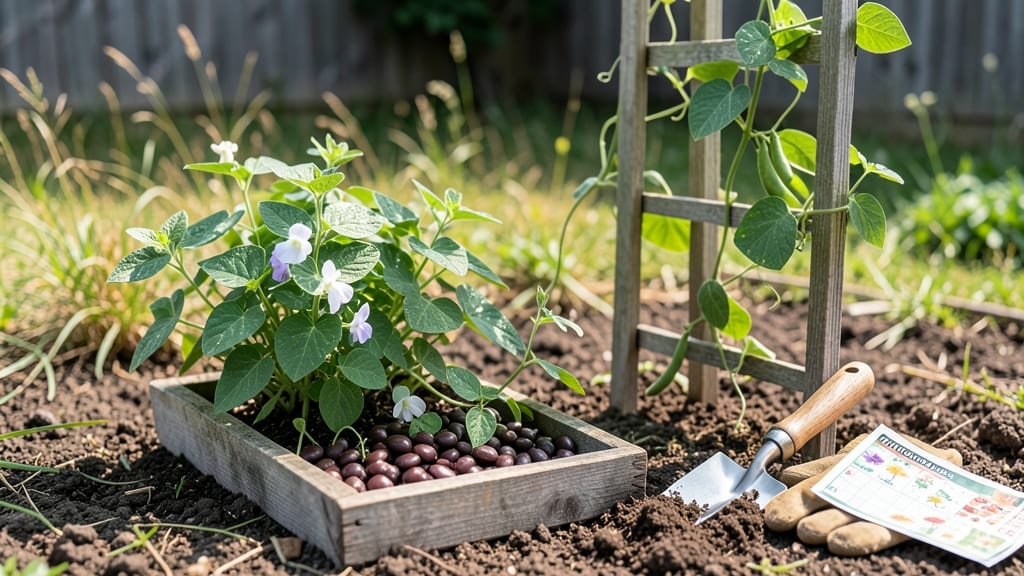
Planting beans in Southern California at the right time means the difference between a garden full of crisp, flavorful pods and one that wilts under the heat or struggles to set fruit. Here’s the catch: SoCal’s…
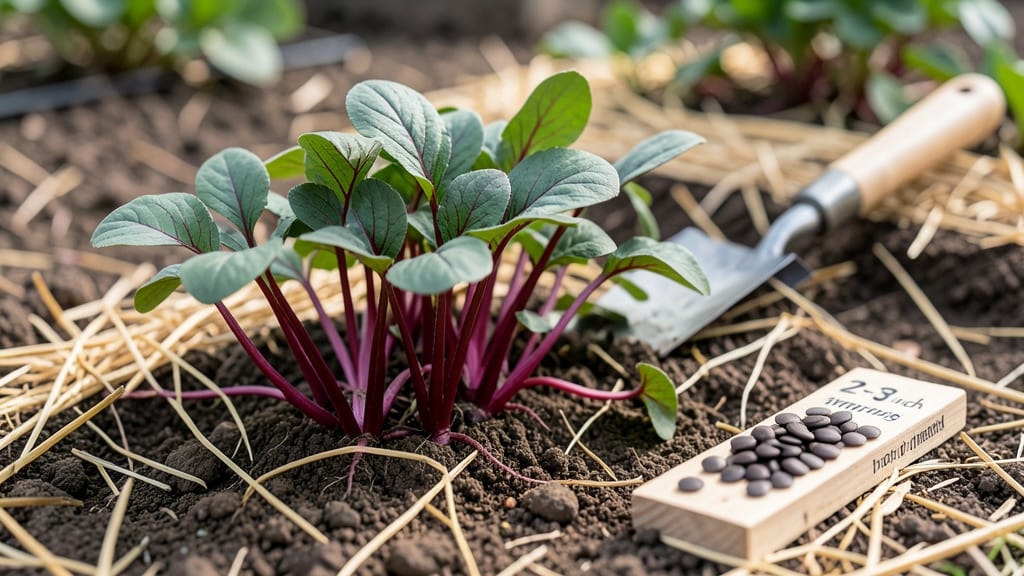
Planting beets in Kansas at the right time means the difference between tender, sweet harvests and tough, bitter roots. Kansas gardeners know timing is everything—plant beets too early, and frost will ruin your crop; too…
Planting beets in Zone 5b at the wrong time means either waiting months for harvests or watching them bolt into bitter, flowery disappointment. Beets are a gardener’s secret weapon—sweet, nutritious, and surprisingly…
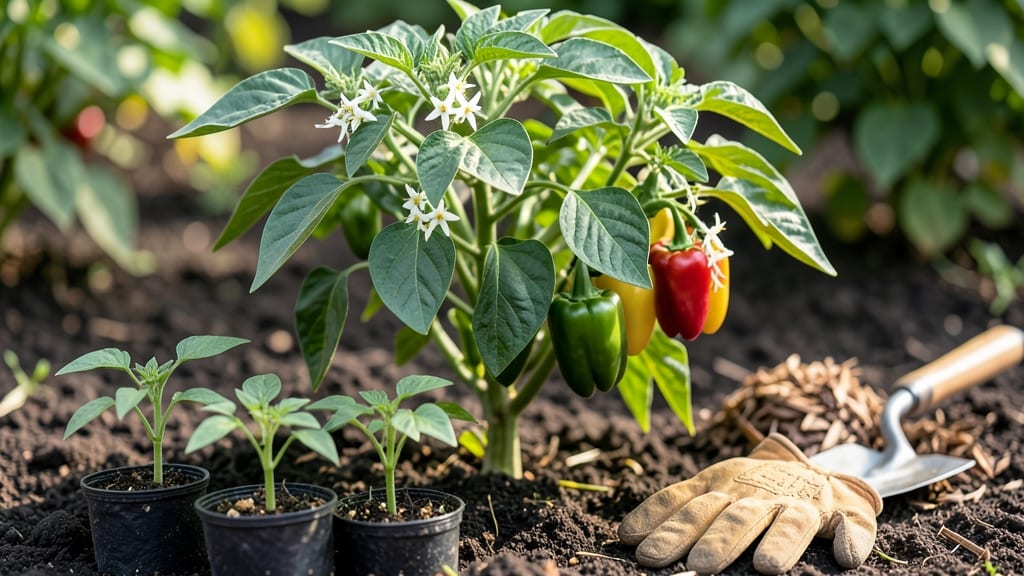
Planting bell peppers in Alabama at the right time means the difference between a thriving garden and a sad, wilted crop 🌶️. Alabama’s warm climate and diverse microclimates make it a prime spot for growing bell…
Planting Bermuda grass in Kansas when soil temperatures hit 65°F ensures strong root growth and a lush lawn 🌱 — but timing is everything. If you’ve ever watched your grass struggle to take hold after a late spring frost…
Planting Bermuda grass in Phoenix demands precision—timing it right means the difference between a lush lawn and a failed investment. Phoenix’s scorching summers and unpredictable monsoons make timing critical for…
Planting bermuda grass seed in Georgia at the right time means the difference between a thick, drought-resistant lawn and a patchy, weed-choked mess. Georgia’s scorching summers and unpredictable spring rains can turn…
Planting blackberries in Ohio at the right time ensures strong roots, faster fruiting, and fewer winter struggles—aim for early spring or late winter for bare-root canes, or right after your last frost for potted plants…
Planting broccoli in North Carolina’s fall season means timing it right to avoid bolting or frost damage—aim for late August to mid-September for the sweet spot. North Carolina’s mild fall climate can be a gardener’s…
To plant broccoli in South Carolina, aim for early spring ( February-March ) or late summer ( August-September ) when soil temperatures stay cool and frost risks fade. South Carolina’s mild winters and long growing…